

Introduction
As the world shifts towards healthier lifestyles and sustainable food production, microgreens have emerged as one of the most exciting innovations in modern agriculture. These tiny, nutrient-packed greens are gaining popularity among health-conscious consumers, chefs, restaurants, nutritionists, and commercial growers alike.
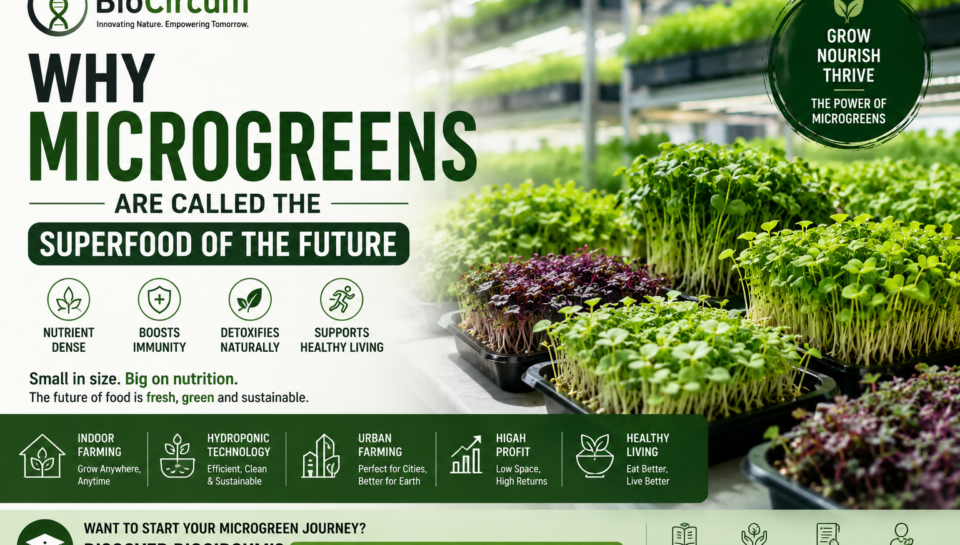
Often referred to as the “Superfood of the Future,” microgreens offer exceptional nutritional value while requiring minimal space, water, and growing time. Whether you’re looking to improve your diet or explore a profitable farming business, microgreens present a unique opportunity.
In this article, we’ll explore what microgreens are, their incredible health benefits, how they are grown, and why they’re becoming one of the fastest-growing segments in indoor agriculture.
What Are Microgreens?
Microgreens are young vegetable and herb plants harvested just after the first true leaves appear, typically 7–21 days after germination. Unlike sprouts, microgreens are grown in a growing medium under controlled conditions and harvested above the root.
Popular varieties include:
- Broccoli
- Radish
- Sunflower
- Pea Shoots
- Mustard
- Basil
- Cilantro
- Beetroot
- Cabbage
- Kale
- Amaranth
Despite their small size, microgreens are known for their vibrant colors, intense flavors, and remarkable nutritional content.
Nutritional Benefits of Microgreens
Microgreens are considered nutritional powerhouses because they contain concentrated levels of vitamins, minerals, antioxidants, and plant compounds.
Research has shown that many microgreens contain significantly higher concentrations of nutrients than their mature counterparts.
Key Benefits
- Rich in Vitamins A, C, E, and K
- High in antioxidants
- Excellent source of dietary fiber
- Supports immune health
- Promotes heart health
- Helps reduce inflammation
- Supports healthy digestion
- Naturally low in calories
- Packed with essential minerals
Because of their nutritional profile, microgreens have become a favorite ingredient in healthy diets worldwide.
Popular Types of Microgreens
Different varieties offer unique flavors, textures, and nutritional benefits.
Broccoli Microgreens
Rich in sulforaphane, a powerful antioxidant known for its potential health benefits.
Radish Microgreens
Peppery in flavor and packed with Vitamin C and antioxidants.
Sunflower Microgreens
High in protein, healthy fats, Vitamin E, and zinc.
Pea Shoots
Sweet, tender, and an excellent source of Vitamin C and folate.
Beet Microgreens
Beautiful red stems with earthy flavors and high antioxidant content.
Mustard Microgreens
Spicy greens loaded with vitamins and minerals.
Growing Microgreens at Home
One of the biggest advantages of microgreens is that they are incredibly easy to grow.
Basic Requirements
- Quality seeds
- Growing trays
- Growing medium (soil, cocopeat, or hydroponic mats)
- Clean water
- LED grow lights or indirect sunlight
- Proper ventilation
The entire growing cycle usually takes less than three weeks, making microgreens one of the fastest crops available.
Commercial Farming Opportunities
Microgreen farming has become a profitable business due to:
- Low startup investment
- Quick harvest cycles
- Minimal land requirements
- Growing consumer demand
- High market prices
- Sustainable production methods
Customers include:
- Restaurants
- Hotels
- Cafés
- Supermarkets
- Organic stores
- Fitness centers
- Home consumers
- Meal subscription companies
Many successful entrepreneurs operate profitable microgreen businesses from relatively small indoor spaces.
Market Demand in India
The Indian market for healthy, organic, and functional foods is expanding rapidly.
Factors driving demand include:
- Rising health awareness
- Growth of premium restaurants
- Urban farming initiatives
- Increasing demand for organic produce
- Expansion of wellness-focused lifestyles
- Higher disposable incomes
Cities such as Delhi NCR, Mumbai, Bengaluru, Hyderabad, Pune, and Chennai have witnessed growing demand for fresh microgreens among consumers and businesses.
As awareness continues to grow, the commercial potential of microgreen farming in India is expected to increase significantly.
Common Mistakes Beginners Make
Although microgreens are easy to grow, beginners often encounter avoidable challenges.
Some common mistakes include:
- Using poor-quality seeds
- Overwatering the trays
- Inadequate airflow
- Insufficient lighting
- Harvesting too early or too late
- Poor sanitation leading to mold growth
- Incorrect temperature and humidity management
Understanding these factors is essential for producing healthy, high-quality microgreens consistently.
Indoor Farming Technology
Modern indoor farming technology has transformed the way microgreens are cultivated.
Advanced cultivation systems include:
- LED lighting systems
- Hydroponic growing methods
- Climate-controlled growing rooms
- Automated irrigation
- Humidity monitoring
- Air filtration systems
- Smart environmental controls
These technologies help growers maximize productivity while reducing water usage and maintaining consistent crop quality throughout the year.
Why Businesses Are Investing in Microgreens
Microgreens have become attractive to entrepreneurs and investors because they combine sustainability with strong business potential.
Key advantages include:
- Short production cycles
- Premium selling prices
- Low operating costs
- Year-round production
- Efficient use of space
- Environmentally friendly cultivation
- Increasing consumer demand
With the global focus on healthy eating and sustainable agriculture, microgreen farming offers long-term growth opportunities for businesses of all sizes.
How BioCircum Can Help
At BioCircum, we are committed to advancing sustainable biotechnology and indoor farming through education, innovation, and practical training.
Our Microgreen Indoor Farming Training Program is designed for:
- Students
- Entrepreneurs
- Farmers
- Startups
- Researchers
- Agriculture professionals
- Urban farming enthusiasts
The program provides hands-on guidance covering:
- Seed selection
- Growing techniques
- Hydroponic systems
- Environmental control
- Harvesting and packaging
- Business planning
- Marketing strategies
- Commercial production
Whether you’re starting a home-based venture or planning a commercial indoor farm, BioCircum equips you with the knowledge and practical skills to succeed.
Conclusion
Microgreens are much more than a culinary trend—they represent the future of healthy nutrition and sustainable farming. Their exceptional nutritional value, rapid growth cycle, and commercial viability make them one of the most promising crops in modern agriculture.
As indoor farming continues to expand, microgreens will play an increasingly important role in feeding urban populations while conserving resources and supporting environmentally responsible food production.
If you’re looking to enter this exciting industry, now is the perfect time to begin.
Ready to Start Your Microgreen Journey?
Join BioCircum’s Microgreen Indoor Farming Training Program and gain practical, hands-on knowledge from industry experts. Learn modern cultivation techniques, explore commercial opportunities, and build the skills needed to grow high-quality microgreens successfully.
📞 Phone: +91 84489 24547
📧 Email: support@biocircum.com
🌐 Website: https://biocircum.com